Home › Concrete Sealing and Maintenance
Superior Concrete San Jose offers concrete sealing and maintenance in San Jose, TX to protect your slabs from moisture, stains, and wear. We clean surfaces thoroughly, repair minor defects, and apply quality sealers so your driveways, patios, and walkways stay looking newer longer.
Superior Concrete San Jose provides professional concrete sealing throughout San Jose, TX, Texas and the surrounding area. Our licensed, insured crew delivers safe, clean, on-time work with a free estimate before anything begins. Call (956) 857-9315 or request your free quote.
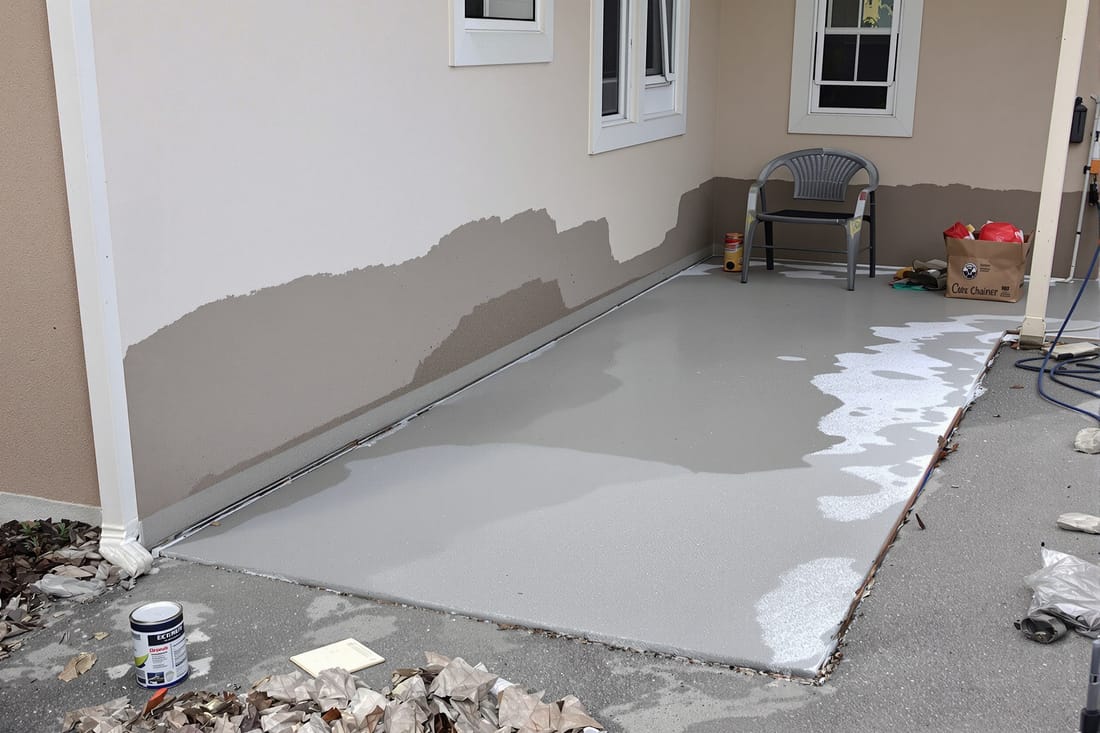
Concrete sealing for San Jose, Texas homes and businesses
Concrete sealing in San Jose, TX is not just a cosmetic upgrade. Our hot summers, surprise hail, and occasional heavy rains all work on your driveway, patio, or shop floor. At Superior Concrete San Jose, we focus on sealing and maintenance that fit how concrete actually ages in our part of Bexar County, from older ranch homes off FM 1346 to newer builds near US‑87.
When we talk about concrete sealing, we are talking about applying the right protective product to the right slab at the right time. Driveways that see pickup trucks and trailers need a different approach than a backyard patio or a shop floor with spilled oil. We start every job with a short walk‑through, looking at the age of the concrete, past repairs, previous sealers, and where water tends to sit after a storm. This local, on‑site evaluation is what keeps our recommendations grounded in San Jose’s real conditions, not a one‑size‑fits‑all list from a catalog.
Our step‑by‑step concrete sealing process
Proper concrete sealing is a sequence of steps, not just rolling on a clear coat. First, we do a detailed inspection. We look for hairline cracks, pop‑outs, chalking, oil spots, and areas where prior sealer is peeling or turning white. In older San Jose driveways that were poured in the 80s and 90s, we often find a mix of minor cracking and old solvent sealer.
Second, we handle cleaning and surface prep. For lightly soiled patios we usually use a concrete‑safe cleaner and pressure washing with the right tip angle so we do not etch the surface. For driveways with oil and tire marks, we use degreasers, hot water when needed, and targeted scrubbing. If there is a previous sealer, we test a small area to see if it is acrylic, penetrating, or something else, then choose stripping or mechanical prep accordingly.
Third, we repair defects before sealing. Small static cracks are cleaned and filled with concrete crack repair materials compatible with the planned sealer so the repair does not telegraph through. Spalling or scaling areas are patched and feathered out to keep water from collecting in shallow pits.
Only after prep and repairs do we apply sealer. We mask adjacent walls, garage doors, and landscaping as needed. We then apply the chosen concrete sealer at the correct spread rate, usually with low pressure sprayers and back rolling to avoid lines and puddles. Finally, we complete a walk‑through with you, explain cure times, and flag off the area so no one drives or walks on it too early.
Types of concrete sealers and finishes we use
Not every concrete surface in San Jose should get the same sealer. At Superior Concrete San Jose, we explain the options so you understand why we recommend a product.
Penetrating sealers (silane, siloxane, or blends) soak into the concrete instead of forming a thick film on top. These are great for driveways and walkways where you want water and de‑icing resistance without a glossy look. They keep the concrete breathing, which can help older slabs that already have some moisture issues.
Acrylic sealers create a visible film and are popular for patios, decorative stamped concrete, and colored slabs. They can be matte, low sheen, or glossy. In our hot Texas sun, we usually lean toward high quality, UV‑resistant acrylics so they do not yellow or turn chalky. For stamped concrete around pools or backyard patios, we use slip‑resistant additives so a light rain does not make the surface slick.
In garages, small shops, or barns that see chemicals and vehicle fluids, we may recommend more durable options like high performance acrylics or, in some cases, epoxy or polyurethane systems. These are more involved, but they offer better resistance to hot tire pickup and staining. We always talk through what kind of use the slab sees, so the sealer matches your day‑to‑day reality instead of just looking good for photos.
How San Jose’s climate and soils affect concrete maintenance
Local conditions in San Jose have a lot to do with how often you need concrete sealing and what problems we look for. Our combination of summer heat, clay soils, and occasional heavy storms means concrete is under constant movement and moisture swings.
Clay soils can expand when wet and shrink when dry, which contributes to small cracks and joint movement in driveways and sidewalks. Sealing will not stop movement, but it keeps water from soaking deeply into those vulnerable areas, which helps limit further damage and erosion. That is why we pay special attention to control joints and existing cracks when we plan your maintenance schedule.
UV exposure is another factor. Unshaded driveways and south facing patios receive direct sun for many hours a day. Lower quality sealers can yellow, blister, or peel under those conditions. We only use products rated for high UV exposure and adjust recoat intervals based on how much sun your concrete gets.
Finally, local runoff patterns matter. Many San Jose homes sit on slight slopes or near drainage ditches. During a hard rain, we watch where water is moving across your slab. If we see consistent water paths, we may recommend penetrating sealers and possibly joint sealing to limit washout and reduce the amount of water that reaches the subgrade.
What affects the cost of concrete sealing
The cost of concrete sealing and maintenance in San Jose, TX is influenced by more than square footage. During our estimate, we explain what is driving your specific price so you can make informed decisions.
Surface size and layout are the first factors. A simple rectangular driveway is faster to prep and seal than a driveway with curves, steps, and multiple small sections. Tight spaces, railings, and landscaping close to the slab add masking and hand work time.
Condition of the existing concrete is just as important. A newer driveway that only needs cleaning and sealing will be less than an older surface that requires crack repair, patching, and stripping failed sealer. Oil soaked areas in front of a garage or barn can require multiple degreasing passes, which adds labor and materials.
Type of sealer also affects cost. Penetrating sealers tend to be more cost effective for large plain concrete areas. Decorative acrylic systems, colored sealers, or higher performance coatings for shops and garages involve more expensive materials and sometimes multiple coats. We always walk you through good, better, best options and how each holds up under your actual traffic and weather exposure.
Finally, access and scheduling play a role. If we can bring equipment close to the work area and complete the job in a single mobilization, costs stay down. If the property layout or business hours require night or phased work, pricing is adjusted accordingly, and we explain this upfront.
Common concrete problems we fix before sealing
Sealing concrete without addressing underlying issues is a shortcut we do not take. Before we apply any sealer, Superior Concrete San Jose focuses on the typical problems we see in local driveways, patios, and shop floors.
Hairline and shrinkage cracks are very common in older San Jose slabs. We clean them out, remove loose material, and use compatible crack fillers so the sealer can bridge uniformly. For wider cracks or ones that show slight movement, we may use flexible joint sealants to accommodate expansion and contraction.
Spalling, where small chips or flakes break off the surface, often shows up near garage doors or in areas that collect water. We grind or chip out weak material, then patch with repair mortar designed to bond well and accept the chosen sealer. This gives you a more even look and prevents moisture from getting trapped in weak spots.
We also deal with discoloration and stains. Rust from metal furniture, leaf stains on patios, and oil on driveways are all common in our area. We use targeted cleaners for each stain type and neutralize them properly. This step helps the final sealed surface look consistent, instead of locking in dark or patchy spots under a clear coat.
If you have an older decorative or stamped slab where the color has faded, we can often rejuvenate it with tinted sealers or color refresh systems before we apply a protective topcoat. We test small areas first to make sure the color and finish match what you want.
What to expect when you hire Superior Concrete San Jose
When you contact Superior Concrete San Jose for concrete sealing and maintenance, we start with a site visit, not a guess over the phone. We walk your driveway, patio, or commercial slab with you, take moisture and hardness into account, and discuss how you actually use each surface.
We then provide a written proposal that lists the prep steps, the exact type of sealer we recommend, and realistic timelines. On most residential projects, day one is cleaning, repairs, and prep, and day two is sealing and final cleanup, weather permitting. We plan work around your schedule so you know when vehicles need to be moved and how long each area will be off limits.
You also get clear aftercare instructions. For example, we may recommend keeping vehicles off a newly sealed driveway for 24 to 48 hours, avoiding harsh cleaners for a certain period, and scheduling a light maintenance reseal on decorative concrete every few years. Our goal is to help your concrete handle San Jose’s climate for the long term, not just look good right after we leave.
Whether you are maintaining a rural driveway off Loop 1604 or protecting a commercial loading area, our team treats every project like it belongs to a neighbor, because most of the time it does.